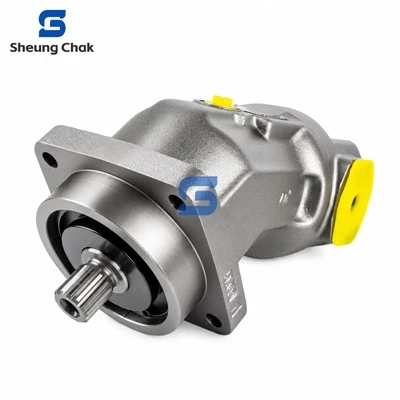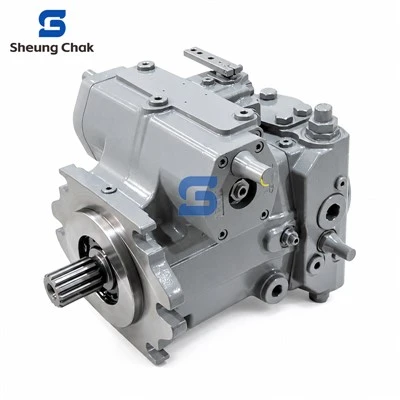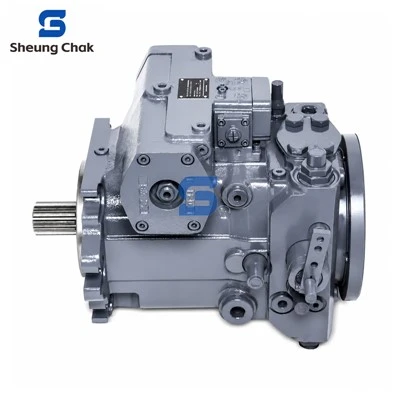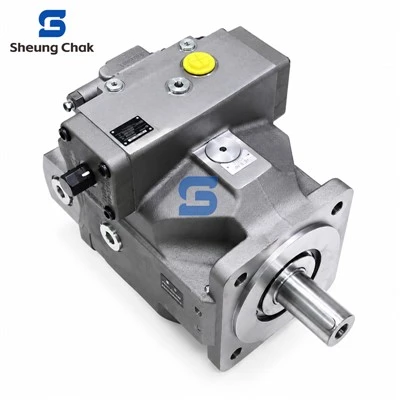

A hydraulic cylinder is a hydraulic actuator that converts hydraulic energy into mechanical energy, performing linear reciprocating motion (or oscillating motion). It has a simple structure and reliable operation. When used to achieve reciprocating motion, it eliminates the need for a speed reduction device, has no transmission backlash, and provides smooth movement, thus finding wide application in the hydraulic systems of various machines.
The output force of a hydraulic cylinder is directly proportional to the effective area of the piston and the pressure difference between its two sides. A hydraulic cylinder basically consists of a cylinder barrel and cylinder head, a piston and piston rod, a sealing device, a cushioning device, and a venting device. The cushioning and venting devices are optional depending on the specific application, while the other devices are essential.