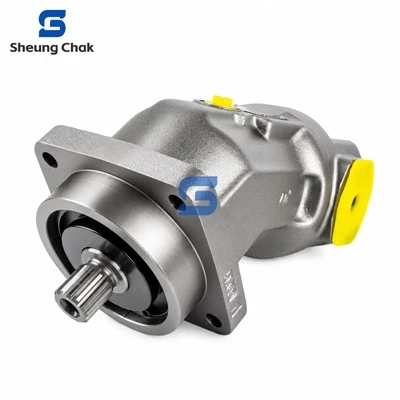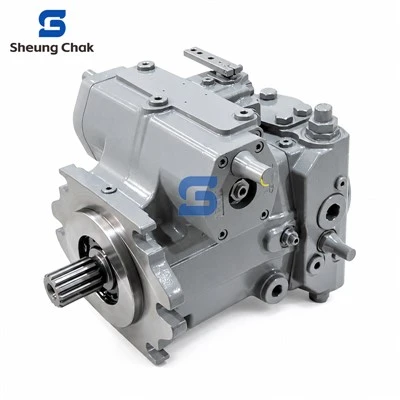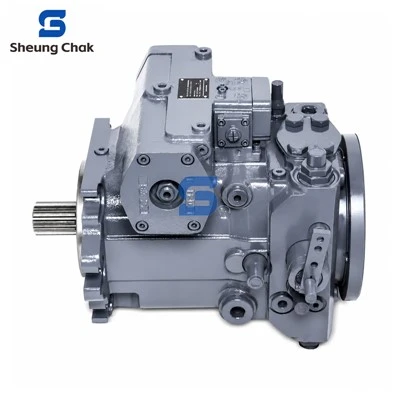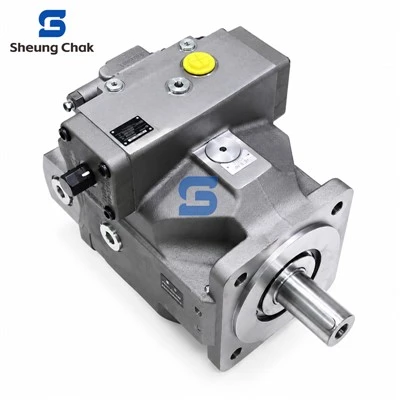

A hydraulic pump, defined as a power component in a hydraulic system driven by an engine or electric motor, converts mechanical energy into hydraulic energy.
It is a power component in a hydraulic system, driven by an engine or electric motor, drawing oil from a hydraulic tank, creating pressurized oil, and discharging it to the actuators. Hydraulic pumps are classified by structure into gear pumps, piston pumps, vane pumps, and screw pumps.
It is a hydraulic component that provides pressurized fluid for hydraulic transmission; it is a type of pump. Its function is to convert the mechanical energy of a power source (such as an electric motor or internal combustion engine) into the pressure energy of a liquid. Many factors affect the service life of a hydraulic pump, including its design and manufacturing, the selection of components used with the pump (such as couplings and oil filters), and the operation during commissioning.
The working principle of a hydraulic pump is that motion causes a change in the volume of the pump chamber, thereby compressing the fluid and giving it pressure energy.
A necessary condition is that there must be a change in the sealed volume of the pump chamber.