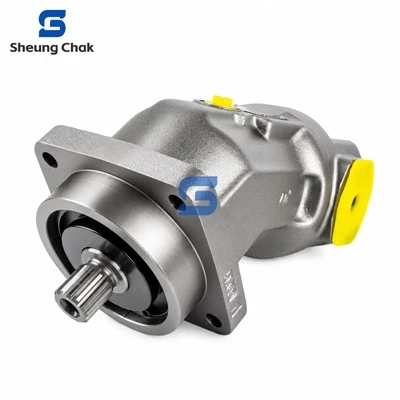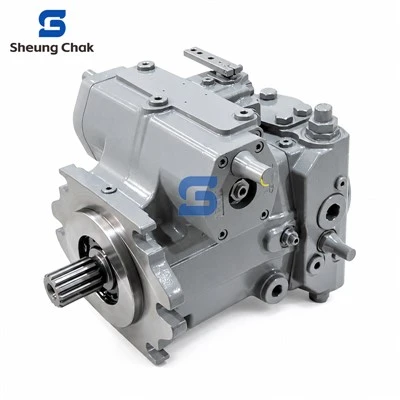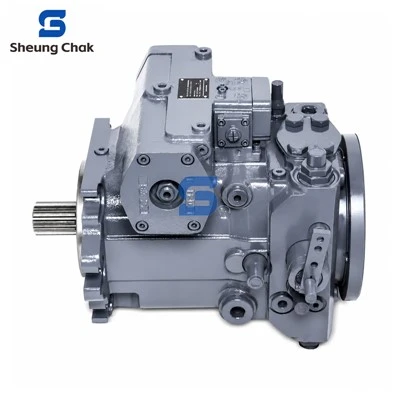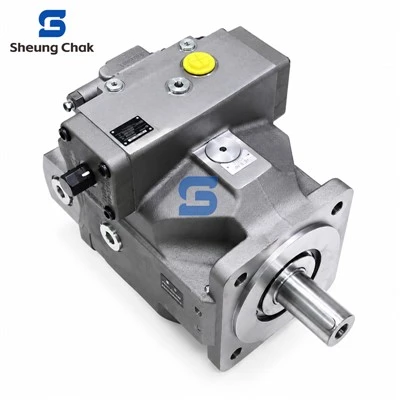

A pump is a hydraulic component that provides pressurized fluid for hydraulic transmission. Its function is to convert the mechanical energy of a power source (such as an electric motor or internal combustion engine) into the pressure energy of a fluid.
The cam is driven to rotate by the electric motor. When the cam pushes the plunger upward, the sealed volume formed by the plunger and cylinder decreases, and oil is squeezed out of the sealed volume and discharged to the required location via a one-way valve. When the cam rotates to the descending part of the curve, the spring forces the plunger downward, creating a certain vacuum. Oil from the tank enters the sealed volume under atmospheric pressure. The cam causes the plunger to continuously rise and fall, and the sealed volume periodically decreases and increases, thus the pump continuously draws in and discharges oil.