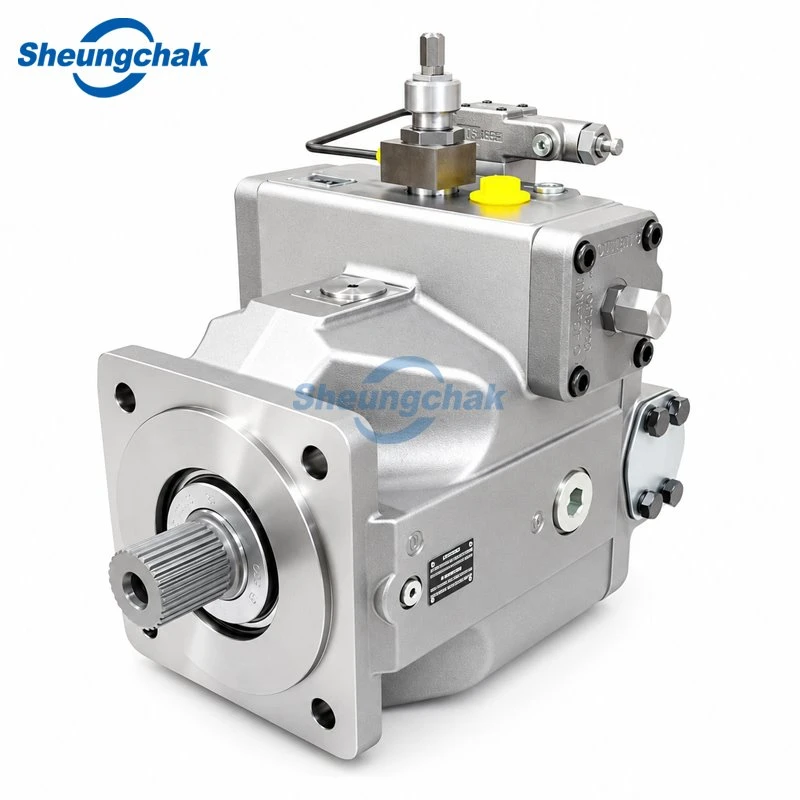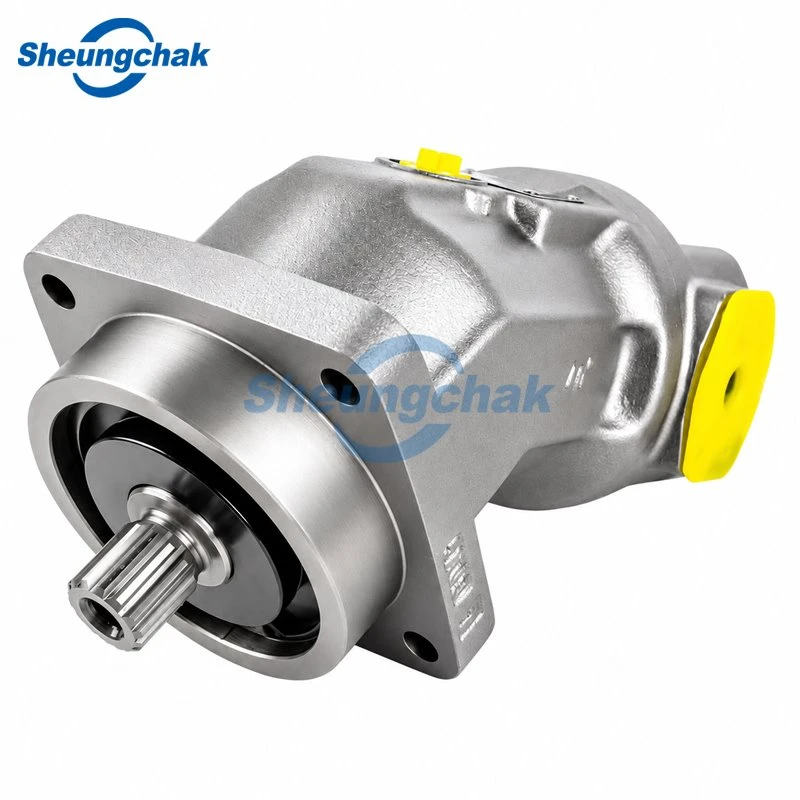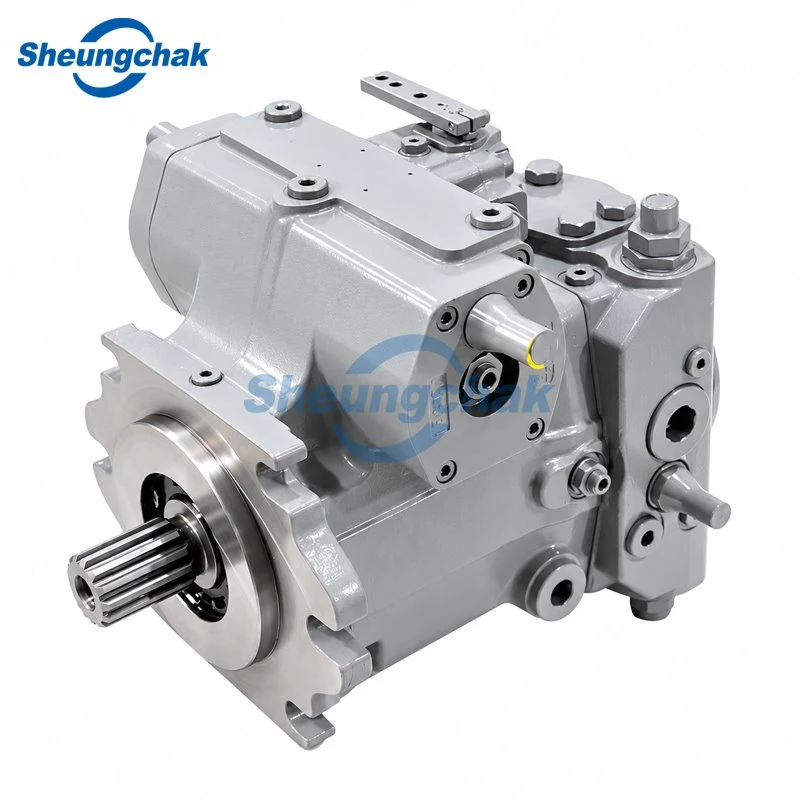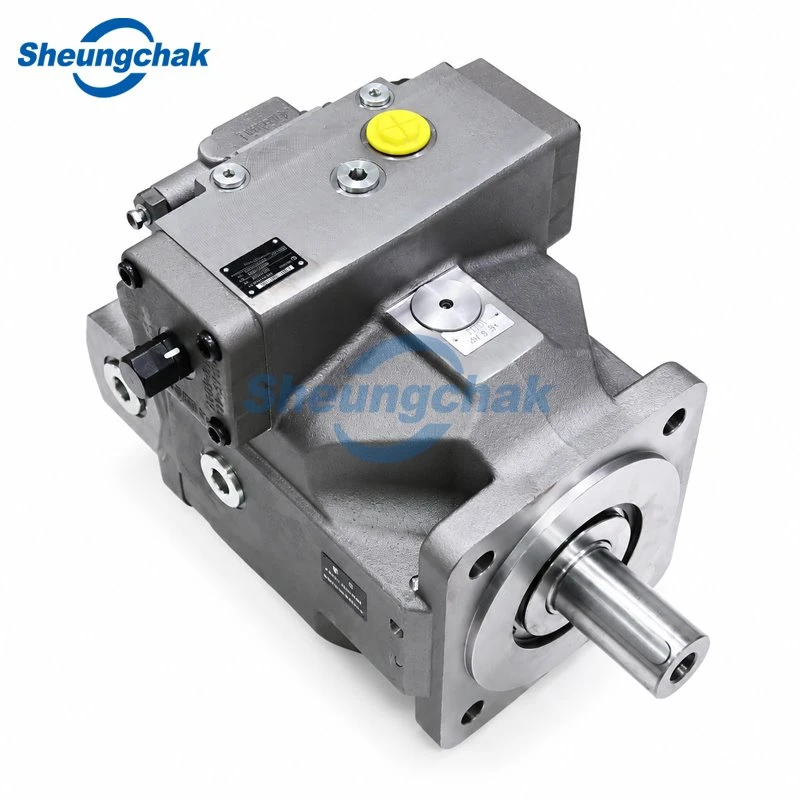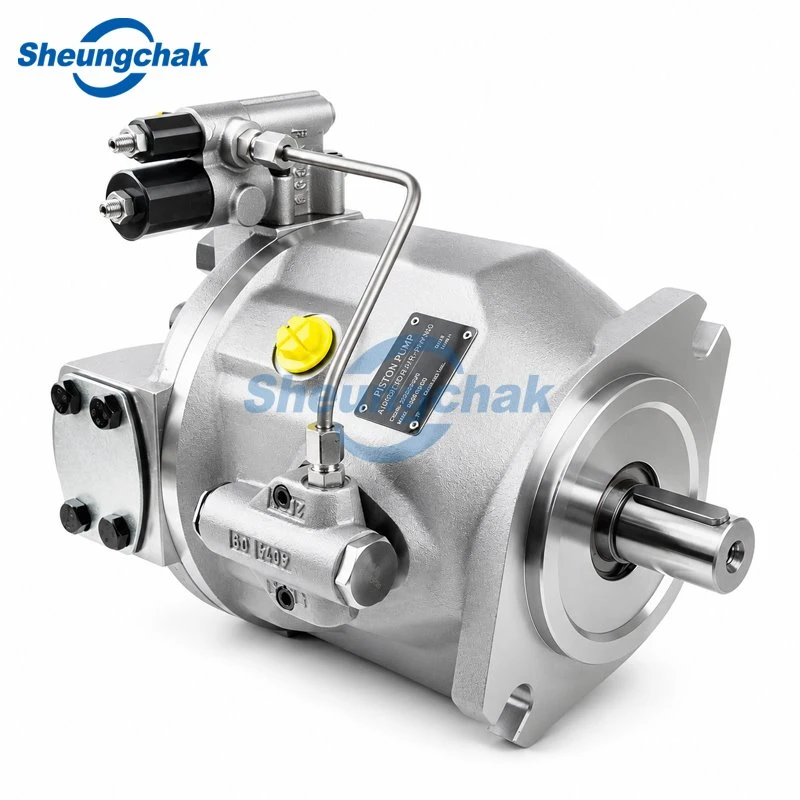

A hydraulic pump is the power component of a hydraulic system. Its function is to provide pressurized oil to the hydraulic system. From an energy conversion perspective, it converts the mechanical energy output by a prime mover (such as an engine) into the pressure energy of a fluid that is easy to transport. A hydraulic motor, on the other hand, is an actuator that converts the pressure energy of the input fluid into the mechanical energy of the output shaft rotation, used to drive a load to perform work. Based on their structural form, hydraulic pumps and hydraulic motors can be specifically classified into gear type, vane type, and piston type, etc.
1. Hydraulic Pump Pressure
The working pressure of a hydraulic pump refers to the pressure of the oil output (or input) by the pump (or motor) during actual operation, determined by the external load.
Rated pressure refers to the highest pressure at which the pump (or motor) can operate continuously under normal working conditions, as specified by test standards. Its magnitude is limited by its lifespan; if the rated pressure is exceeded, the service life of the pump (or motor) will be shorter than its designed lifespan. When the working pressure exceeds the rated pressure, it is called overload.
2. Speed
The operating speed refers to the actual rotational speed of the pump (or motor) during operation.
The rated speed refers to the highest speed at which the pump (or motor) can operate continuously and normally for a long period of time under rated pressure. If a pump operates beyond its rated speed, it will cause insufficient oil suction, resulting in vibration and loud noise. Parts will suffer cavitation damage, reducing their lifespan.
The minimum stable speed refers to the lowest permissible speed for normal motor operation. At this speed, the motor will not exhibit creeping behavior.
3. Displacement and Flow Rate
Displacement refers to the volume of liquid discharged (or input) per revolution of the pump (or motor) due to changes in the geometric dimensions of the sealed cavity. The common unit is ml/r (milliliters per revolution). Pumps with variable displacement (or variable motors) have adjustable displacement, while those with fixed displacement (or fixed displacement pumps) have fixed displacement.
Actual flow rate refers to the flow rate at the outlet (or inlet) of the pump (or motor) during operation. Due to internal leakage in the pump itself, its actual flow rate is less than the theoretical flow rate. Since motors also have internal leakage, to achieve a specified speed, the actual input flow rate must be greater than the theoretical flow rate to compensate for leakage.
4. Efficiency
Volumetric efficiency, for hydraulic pumps, is the ratio of actual flow rate to theoretical flow rate. For hydraulic motors, it is the ratio of theoretical flow rate to actual flow rate.
Mechanical efficiency, for a hydraulic pump, refers to the ratio of its theoretical torque to its actual input torque. For a hydraulic motor, the actual output torque is the torque after overcoming friction, so its mechanical efficiency is the ratio of the actual output torque to the theoretical torque.
Overall efficiency refers to the ratio of the pump's (or motor's) output power to its input power. Overall efficiency is equal to the product of volumetric efficiency and mechanical efficiency.