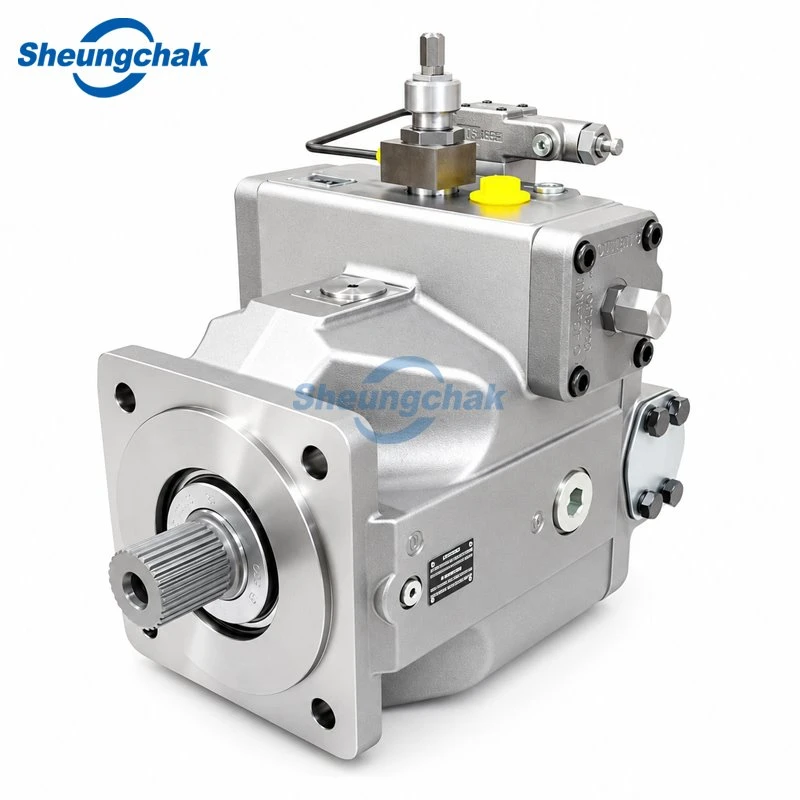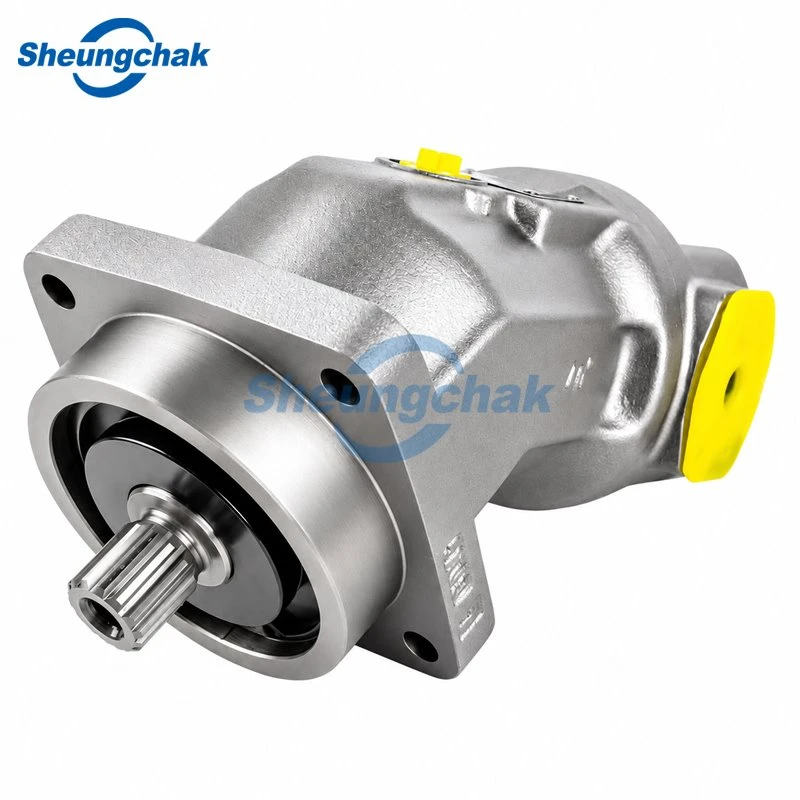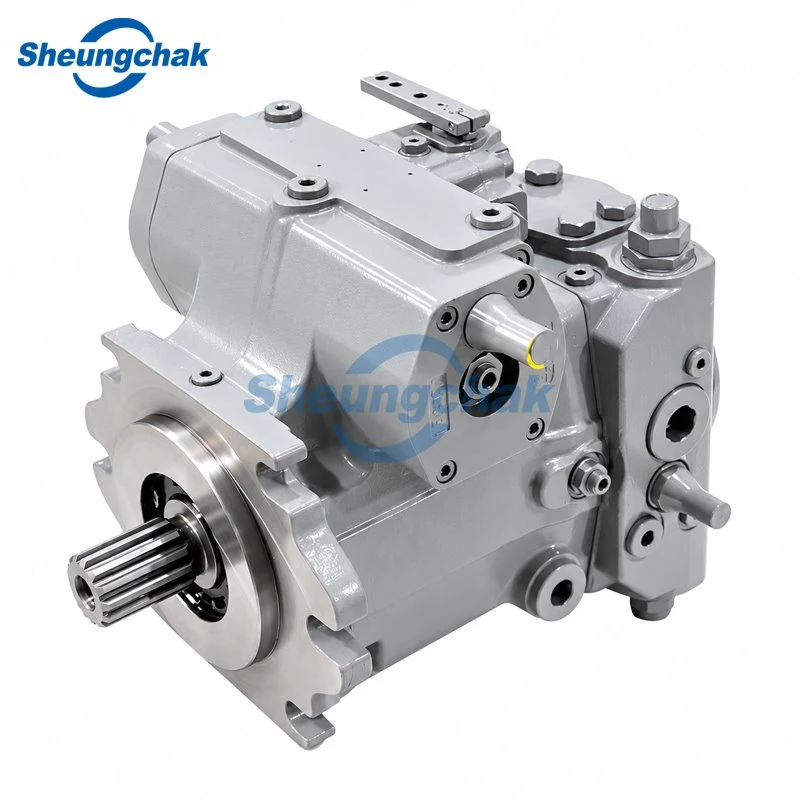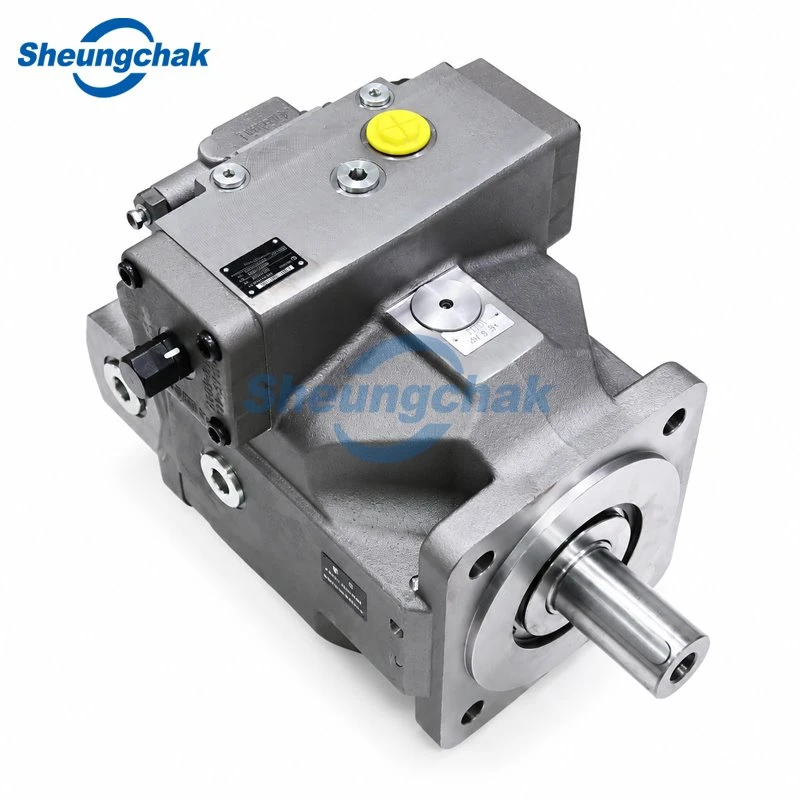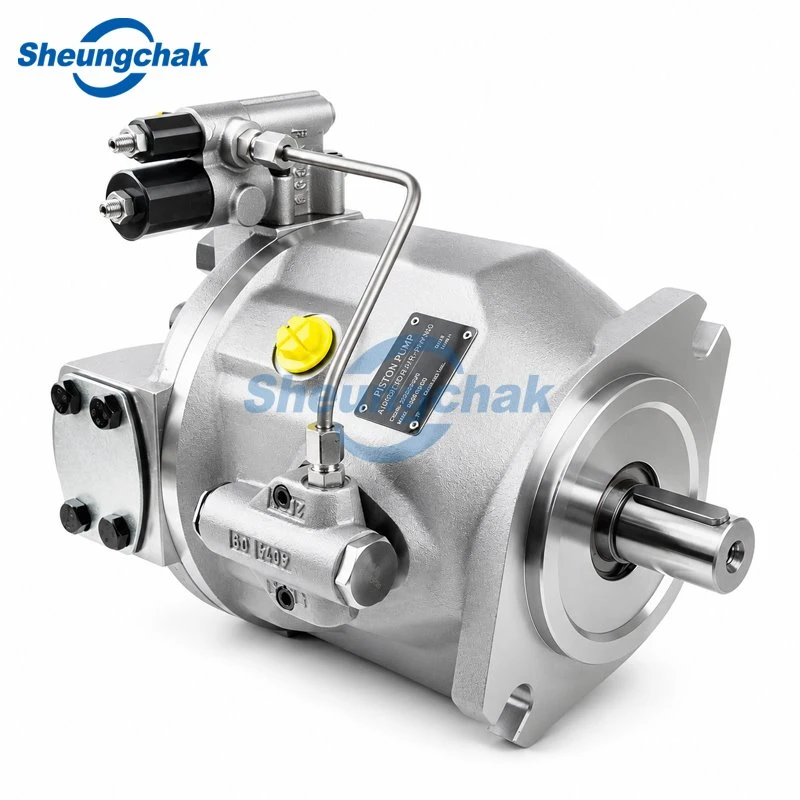

From an energy conversion perspective, hydraulic pumps and hydraulic motors are reversible hydraulic components. Inputting working fluid into any type of hydraulic pump transforms it into a hydraulic motor; conversely, when the main shaft of a hydraulic motor is driven to rotate by an external torque, it can also become a hydraulic pump. This is because they share the same basic structural elements-a sealed, periodically changing volume and a corresponding oil distribution mechanism. However, due to the different operating conditions and performance requirements of hydraulic motors and pumps, many differences still exist even among the same type of hydraulic motor and pump. First, a hydraulic motor must be able to rotate in both directions, thus requiring a symmetrical internal structure; the speed range of a hydraulic motor needs to be sufficiently large, especially regarding its minimum stable speed.
Therefore, it typically uses rolling bearings or hydrostatic sliding bearings. Second, because a hydraulic motor operates under input pressure oil, it does not need self-priming capability, but it requires a certain initial sealing to provide the necessary starting torque. Due to these differences, while hydraulic motors and pumps are structurally similar, they are not reversible.