
Vane Type
Due to the pressure of the hydraulic oil, the unbalanced force causes torque to be generated in the rotor. The output torque of a vane type hydraulic motor is related to the displacement of the hydraulic motor and the pressure difference between the inlet and outlet ports. Its speed is determined by the flow rate input to the hydraulic motor. Since hydraulic motors generally require forward and reverse rotation, the vanes of a vane type hydraulic motor are placed radially.
Radial Piston Type
The working principle of a radial piston type hydraulic motor is that when pressure oil enters the bottom of the piston in the cylinder through the window of the fixed distribution shaft 4, the piston extends outward and presses tightly against the inner wall of the stator. Due to the eccentricity between the stator and the cylinder, this occurs.
Axial Piston Motor
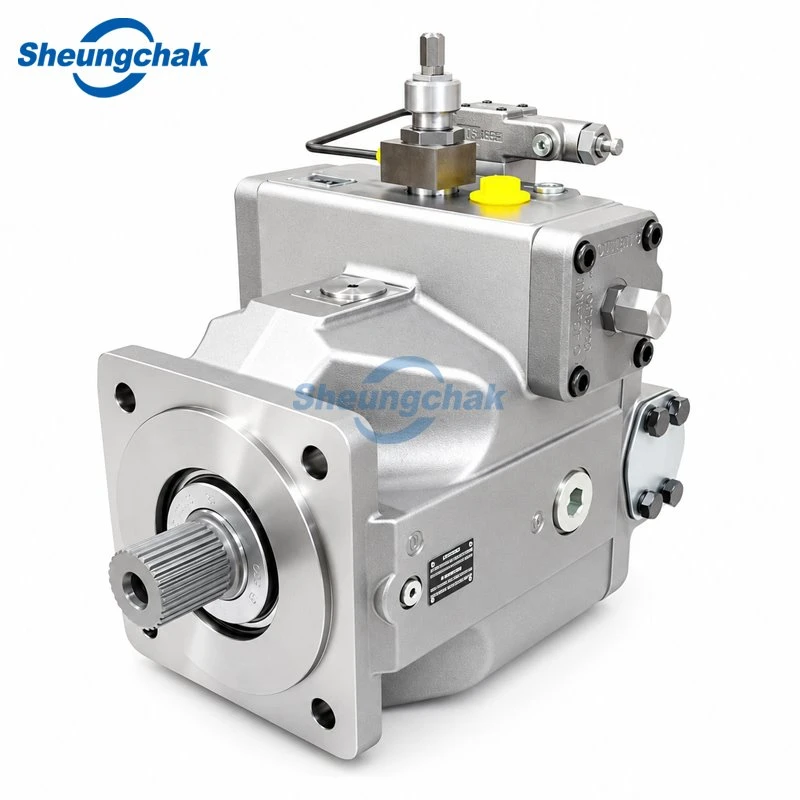
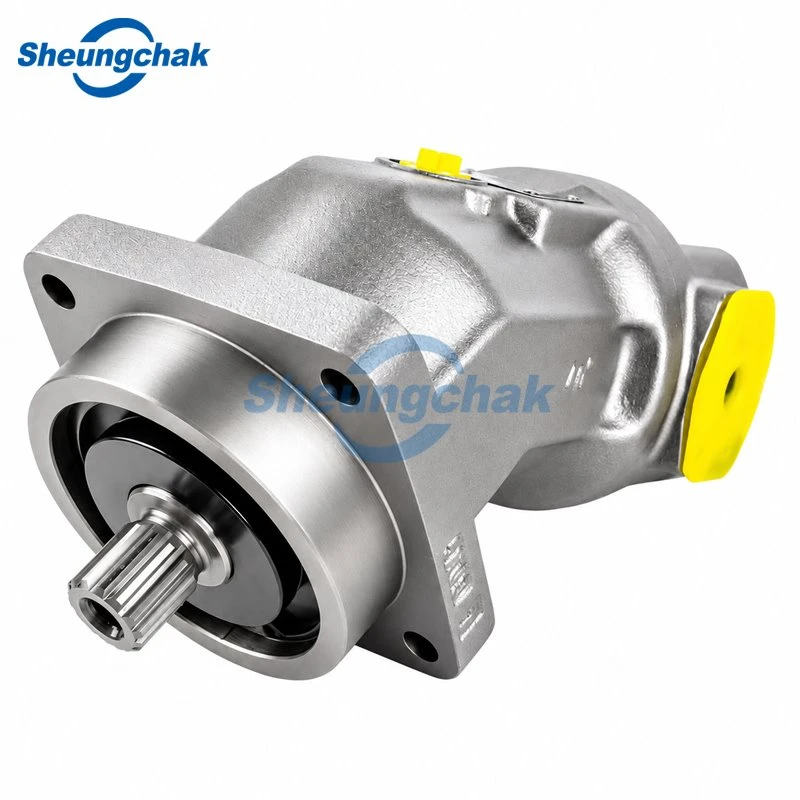
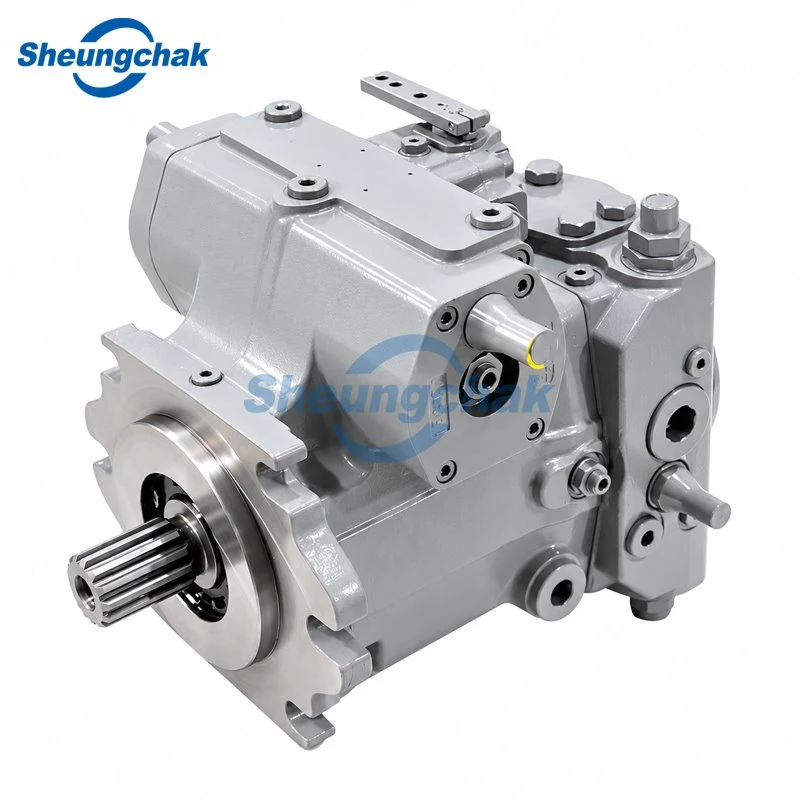
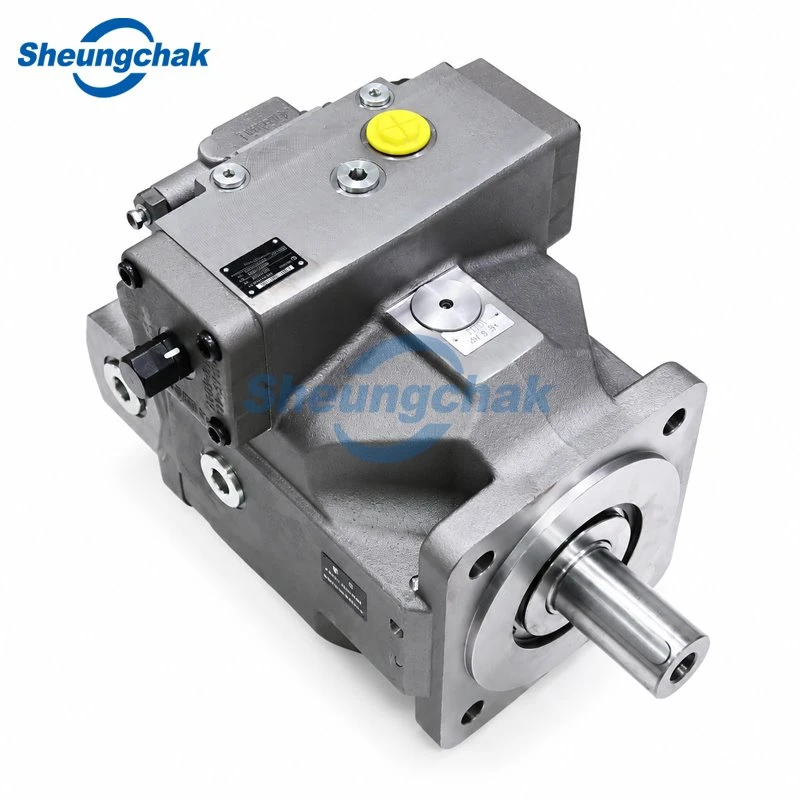
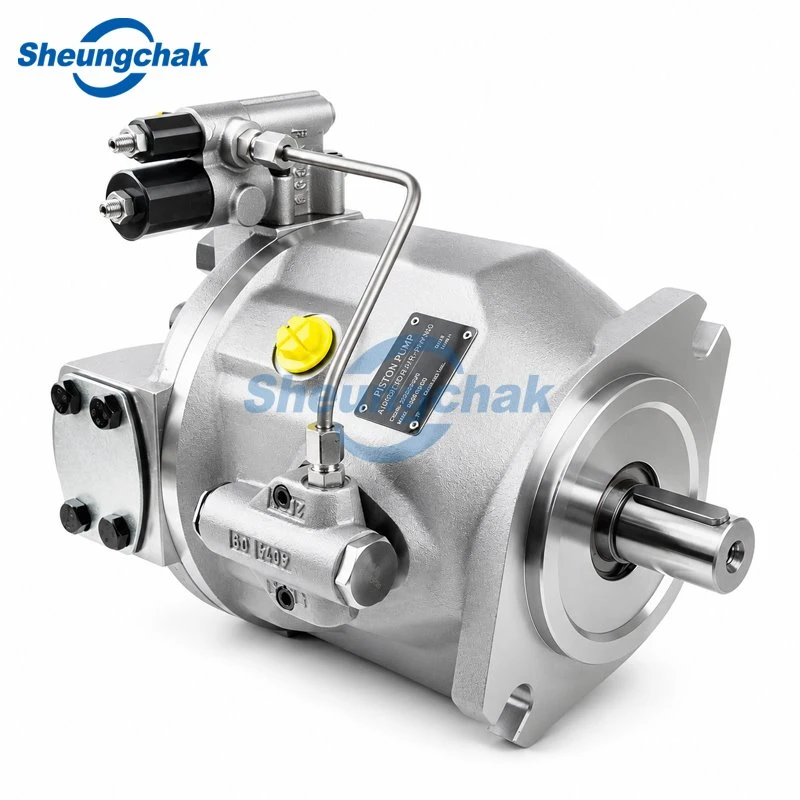
Except for valve-type distribution pumps, other forms of axial piston pumps can generally be used as hydraulic motors; that is, axial piston pumps and axial piston motors are reversible. The working principle of an axial piston motor is that the distribution plate and swashplate are fixed, while the motor shaft is connected to the cylinder and rotates together.
Gear Motors
Gear motors are structurally designed to accommodate forward and reverse rotation. They have equal and symmetrical inlet and outlet ports, and a separate external drain port to guide leaked oil from the bearings out of the housing. Rolling bearings are used to reduce starting friction torque. To minimize torque pulsation, gear hydraulic motors have more teeth than pumps.
High-Speed Motors
Motors with a rated speed above 500 r/min are considered high-speed motors. The basic types of high-speed motors include geared, vane, and axial piston types. Their main characteristics are high speed, low moment of inertia, and ease of starting, braking, speed regulation, and reversing.
Low-Speed Motors
Hydraulic motors with a speed below 500 r/min are considered low-speed hydraulic motors. Their basic type is the radial piston type. The main characteristics of low-speed hydraulic motors are large displacement, large size, low speed, and the ability to be directly connected to the working mechanism without a reduction gear, greatly simplifying the transmission mechanism. Low-speed hydraulic motors also have a large output torque, reaching several thousand to tens of thousands of Nm, hence they are also called low-speed, high-torque hydraulic motors.