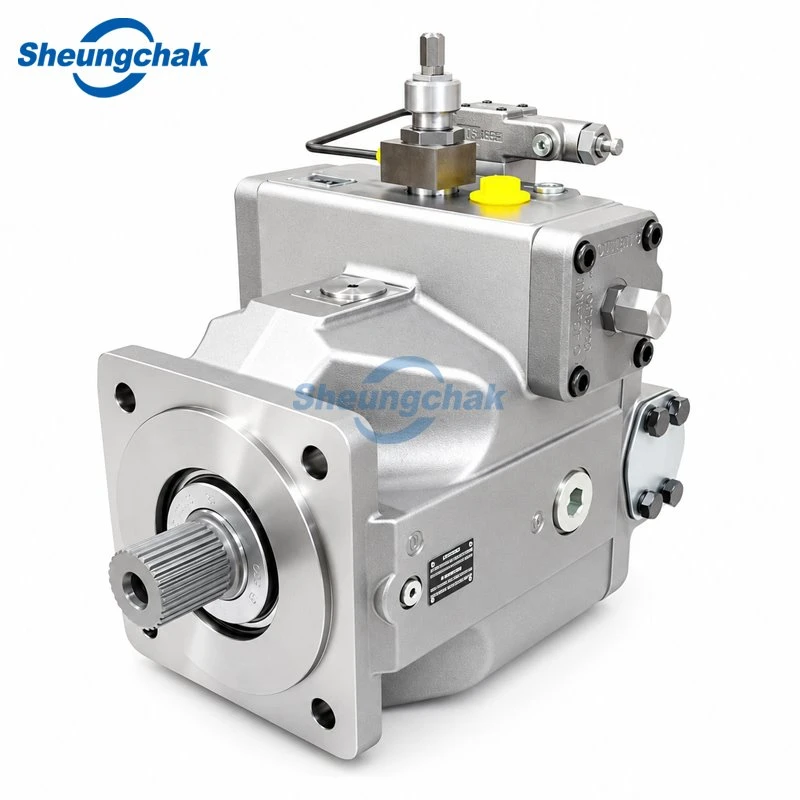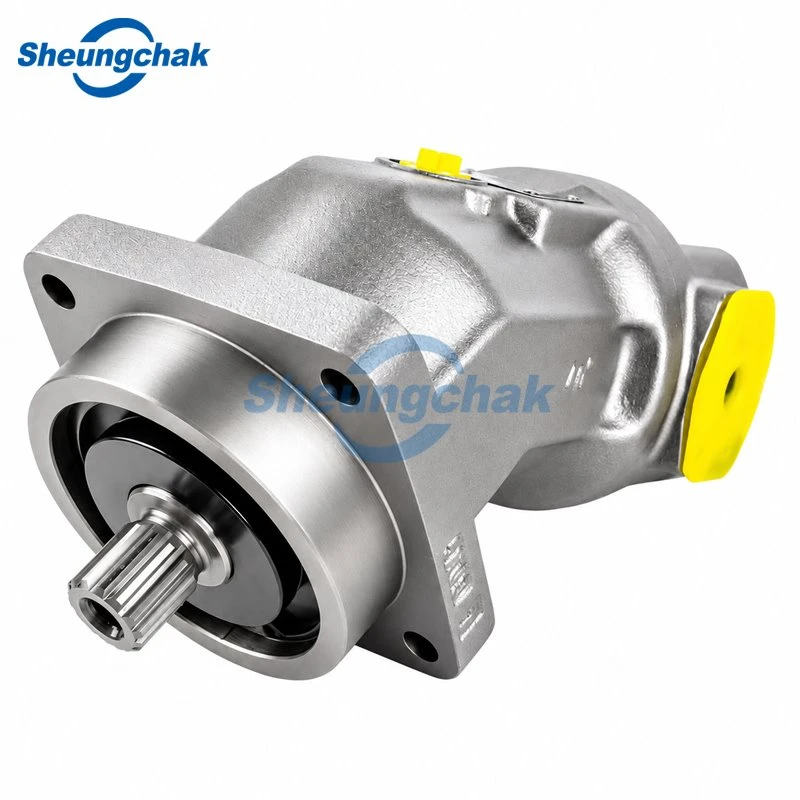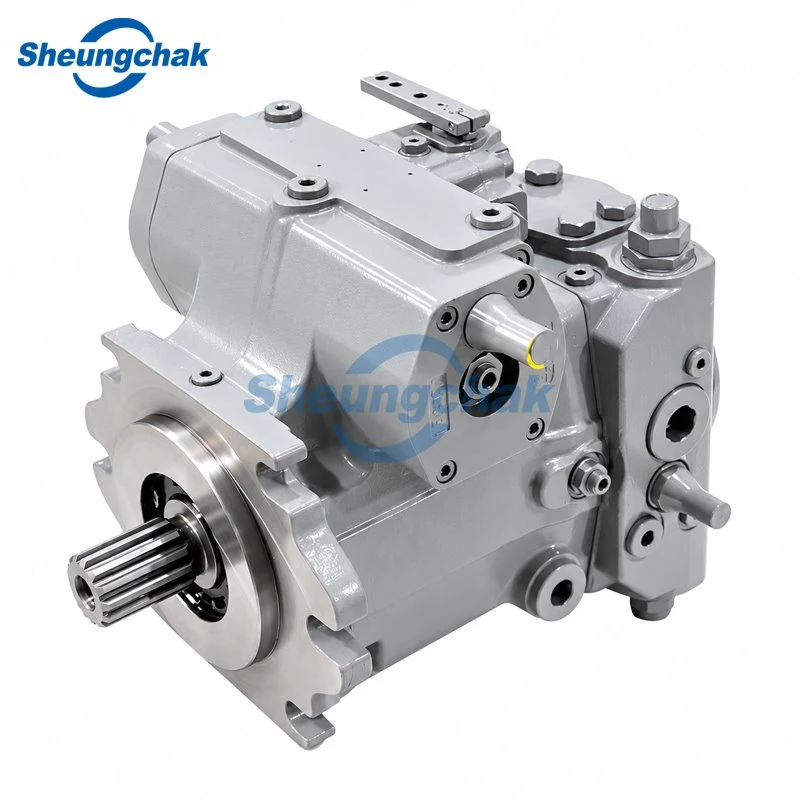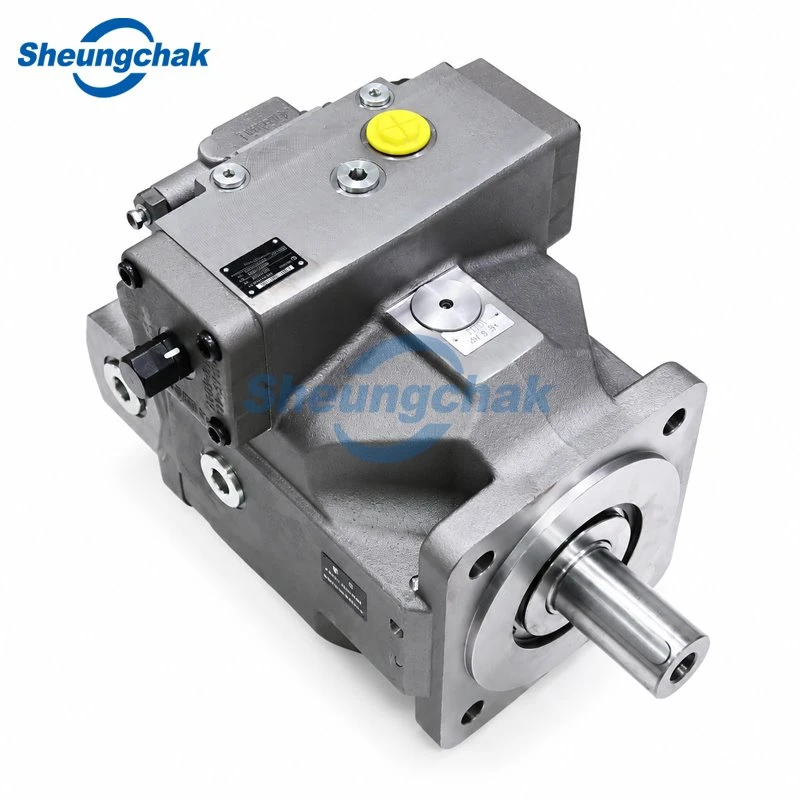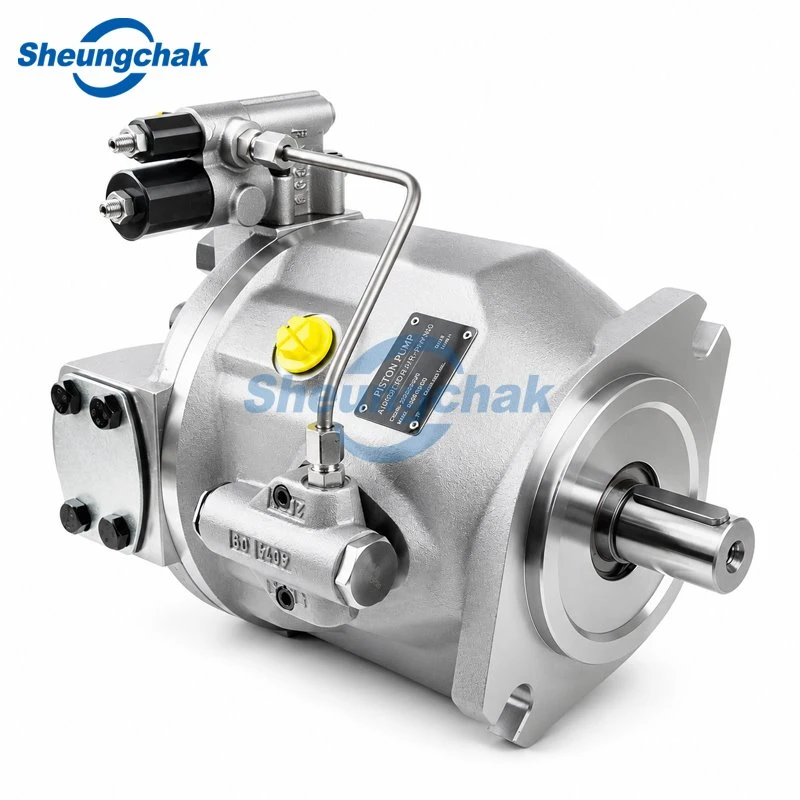

Synopsis
In a plunger pump, the total stroke L of the plunger's reciprocating motion is constant and determined by the cam's lift. The amount of fuel supplied per plunger cycle depends on the injection stroke, which is variable and not controlled by the camshaft. The start time of fuel injection does not change with the injection stroke. Rotating the plunger alters the end time of fuel injection, thus changing the fuel supply quantity. When the plunger pump is working, the cam on the injection pump camshaft and the plunger spring force the plunger to reciprocate up and down, thereby completing the pumping task. The pumping process can be divided into the following two stages.
Oil Inlet Process
After the cam's protrusion rotates past, the plunger moves downward under the spring force, creating a vacuum in the upper space of the plunger (called the pump chamber). When the upper end face of the plunger opens the oil inlet hole on the plunger sleeve, diesel fuel filling the oil passages of the upper pump body enters the pump chamber through the oil hole. The plunger reaches its bottom dead center, ending the oil inlet process.
Oil Return Process
The plunger supplies oil upward. When it reaches the point where the inclined groove (stop supply side) on the plunger connects with the oil return hole on the sleeve, the low-pressure oil passage in the pump chamber connects with the central hole, radial hole, and inclined groove on the plunger head. The oil pressure drops sharply, and the delivery valve closes rapidly under the spring force, stopping the oil supply. The plunger then moves upward again. After the cam's protrusion rotates past, the plunger moves downward under the spring force, thus beginning the next cycle. A plunger pump operates on the principle of a single plunger. It has two check valves operating in opposite directions. When the plunger moves in one direction, a negative pressure is created inside the cylinder, opening one check valve and drawing fluid into the cylinder. When the plunger moves in the other direction, it compresses the fluid, opening the other check valve and expelling the fluid. This continuous operation creates a continuous fuel supply.