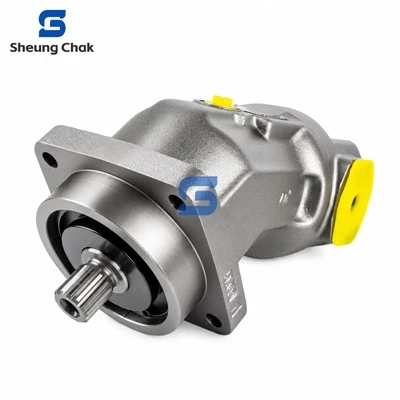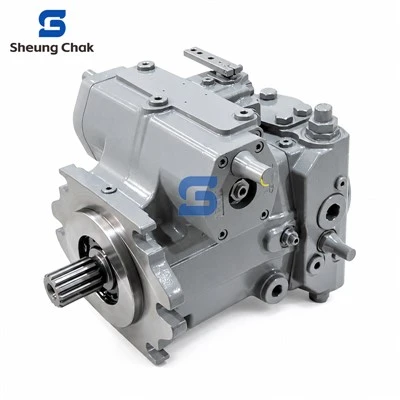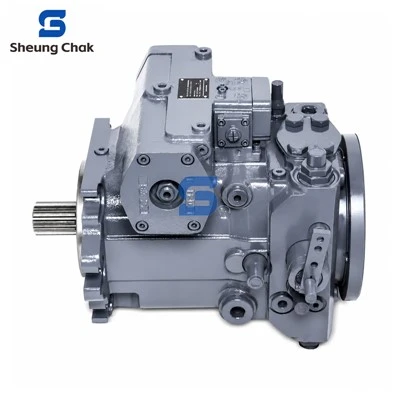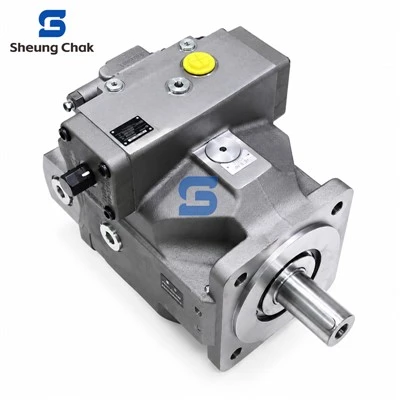

A hydraulic cylinder is an actuator in a hydraulic transmission system; it is an energy conversion device that converts hydraulic energy into mechanical energy.
While a hydraulic motor achieves continuous rotary motion, a hydraulic cylinder achieves reciprocating motion. Hydraulic cylinders are structurally classified into three main types: piston cylinders, plunger cylinders, and oscillating cylinders. Piston cylinders and plunger cylinders achieve reciprocating linear motion, outputting speed and thrust, while oscillating cylinders achieve reciprocating oscillation, outputting angular velocity (speed) and torque. Hydraulic cylinders can be used individually, in combination with two or more, or in conjunction with other mechanisms to accomplish specific functions. Due to their simple structure and reliable operation, hydraulic cylinders are widely used in the hydraulic systems of machine tools.