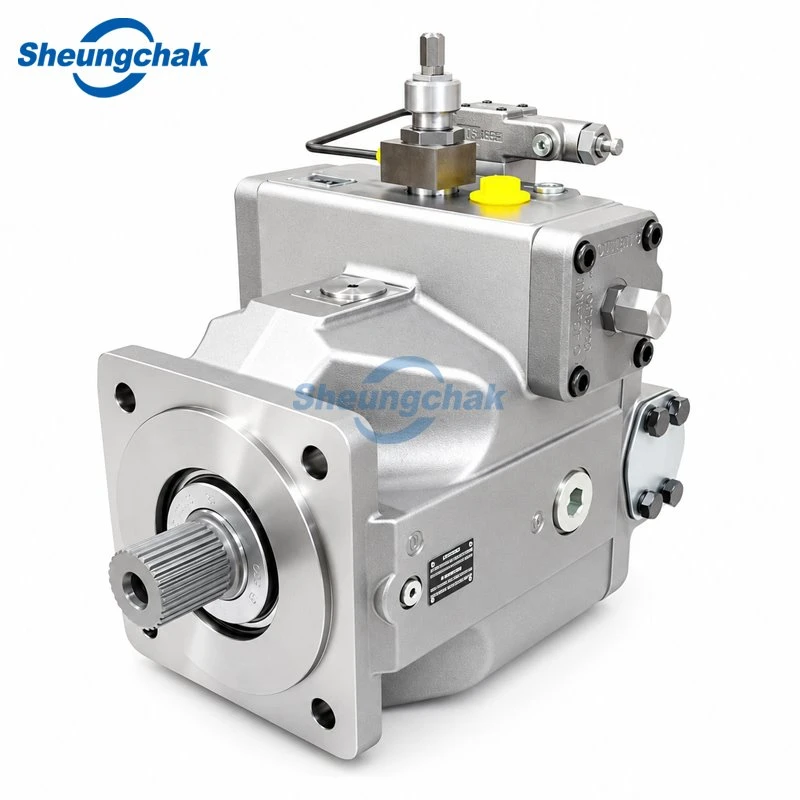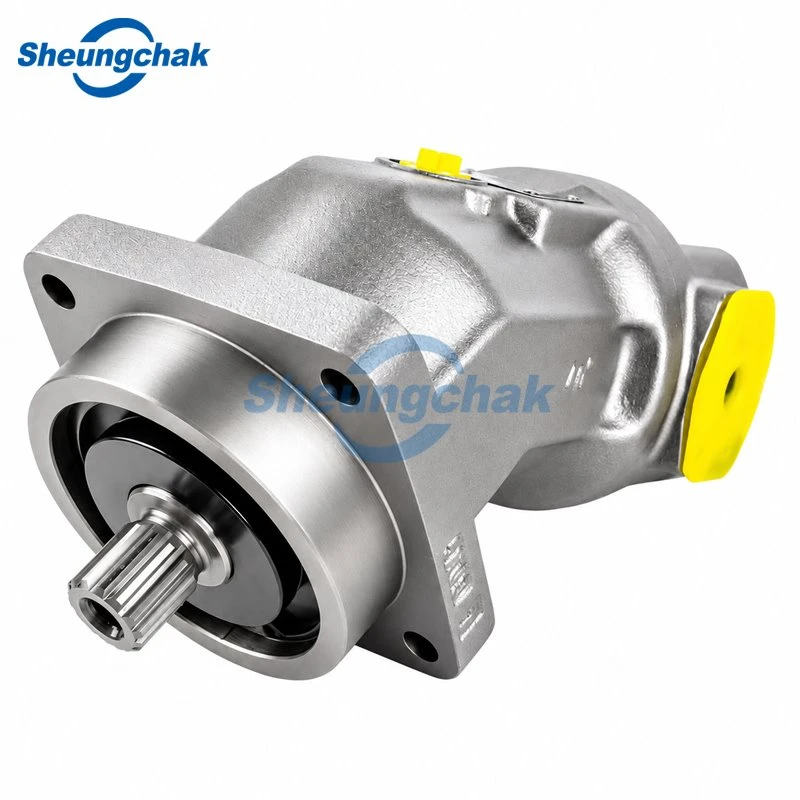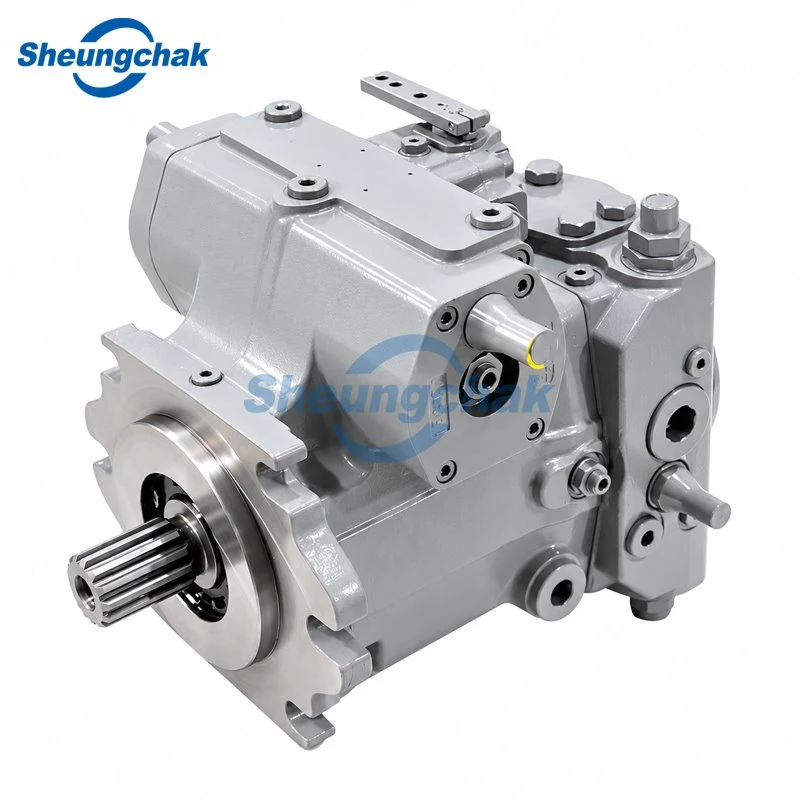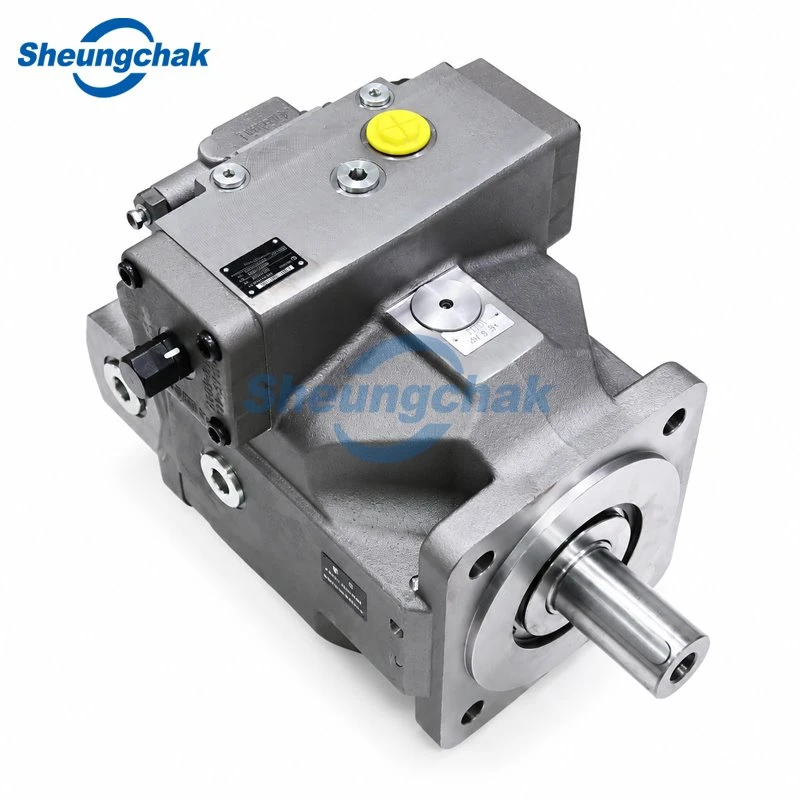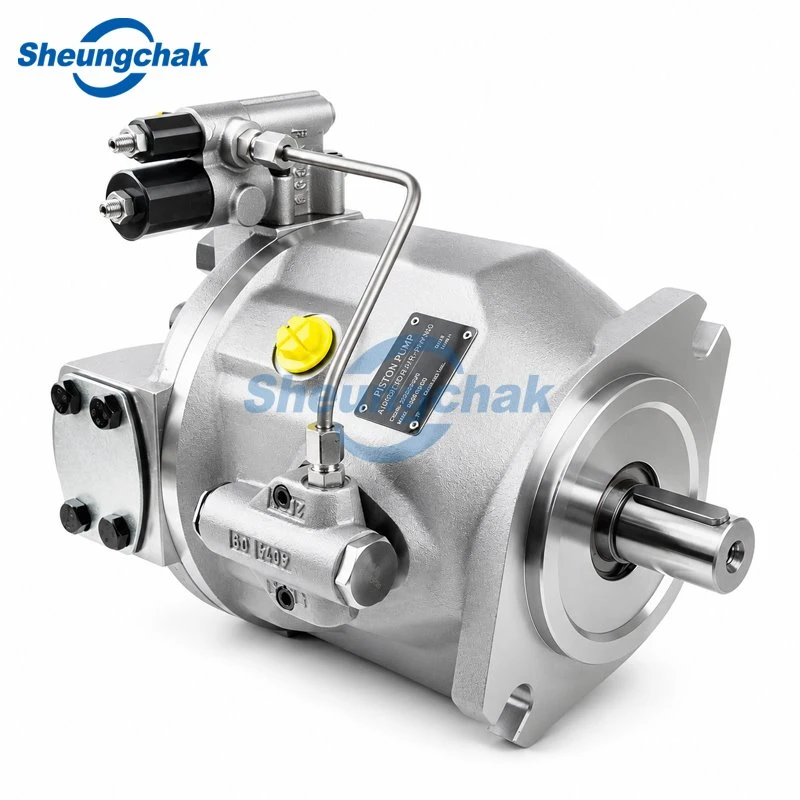

A hydraulic cylinder is an actuator in a hydraulic transmission system; it is an energy conversion device that converts hydraulic energy into mechanical energy. While a hydraulic motor achieves continuous rotary motion, a hydraulic cylinder achieves reciprocating motion. Hydraulic cylinders are structurally classified into three main types: piston cylinders, plunger cylinders, and oscillating cylinders. Piston cylinders and plunger cylinders achieve reciprocating linear motion, outputting speed and thrust, while oscillating cylinders achieve reciprocating oscillation, outputting angular velocity (speed) and torque. Hydraulic cylinders can be used individually, in combination of two or more, or in combination with other mechanisms.
In a hydraulic system, when a hydraulic cylinder drives a mechanism with a certain mass, it possesses significant kinetic energy when it reaches the end of its stroke. Without deceleration, the piston and cylinder head will collide mechanically, generating impact, noise, and potentially causing damage. To mitigate and prevent this harm, a deceleration device can be installed in the hydraulic circuit, or a buffer device can be placed inside the cylinder.