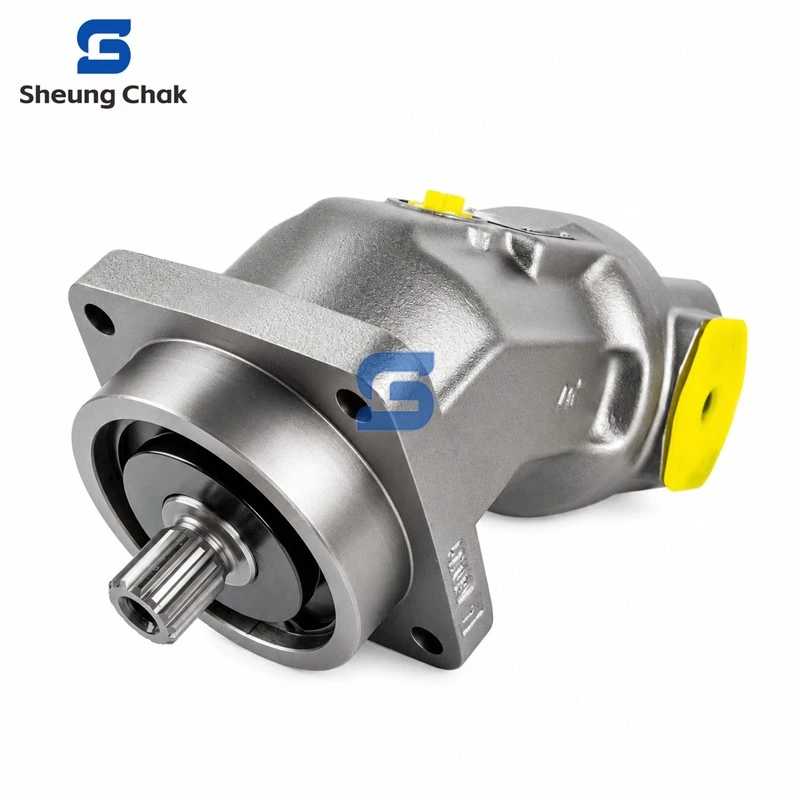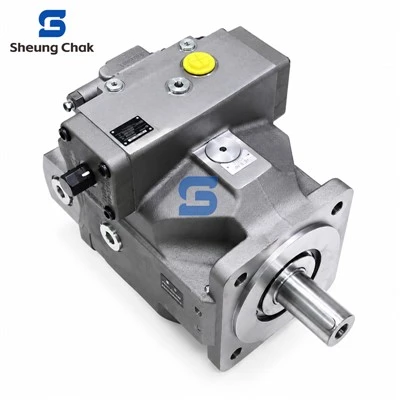

A vane pump is a positive displacement hydraulic pump that transports liquid through the contact between vanes in the rotor slots and the stator rings. It is a power element that draws in liquid, converting mechanical energy into hydraulic energy. Based on its operating principle, it is divided into single-acting (one suction and discharge cycle per rotor revolution) and double-acting (two suction and discharge cycles per rotor revolution). Based on its displacement characteristics, it is divided into variable displacement pumps and fixed displacement pumps. Its core structure includes a stator, rotor, vanes, and a distributor plate. The eccentric mounting of the rotor and stator creates a sealed volume change, achieving suction and pressure. The latest technology uses a floating distributor plate design to improve volumetric efficiency to over 95%.
Double-acting vane pumps use a concentric structure. The stator contains two long-radius arcs and two short-radius arcs. The number of vanes is typically 12 or 16 to reduce flow pulsation. Its radial hydraulic balance characteristics make it suitable for pressure ranges of 7-21 MPa.