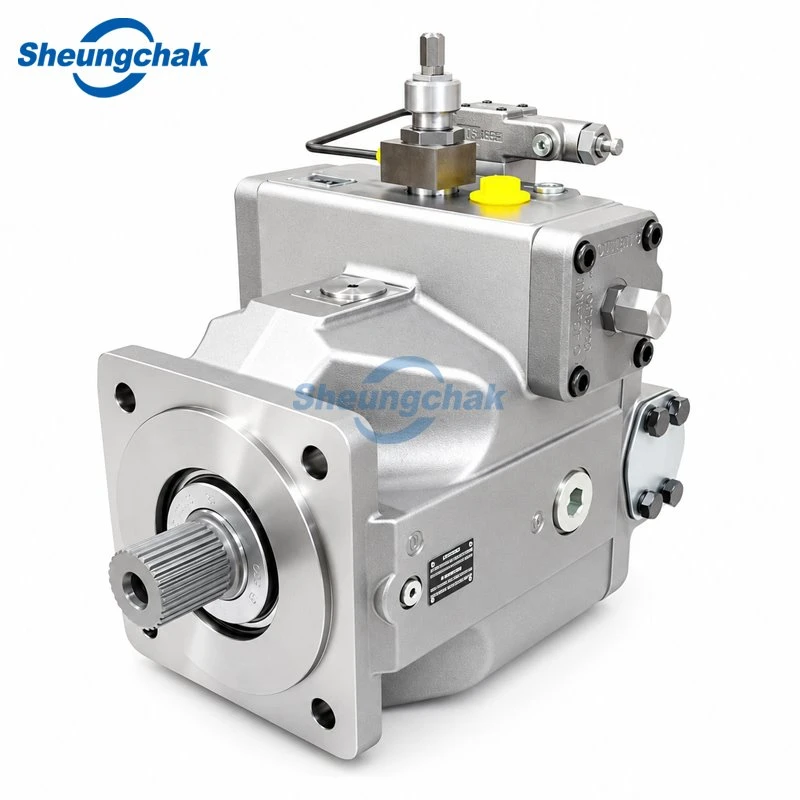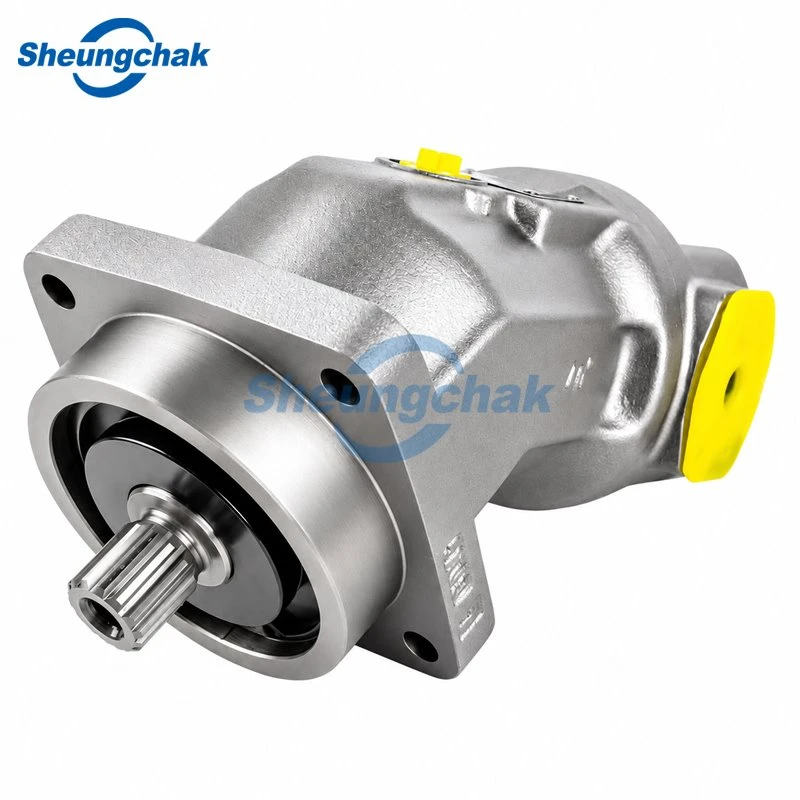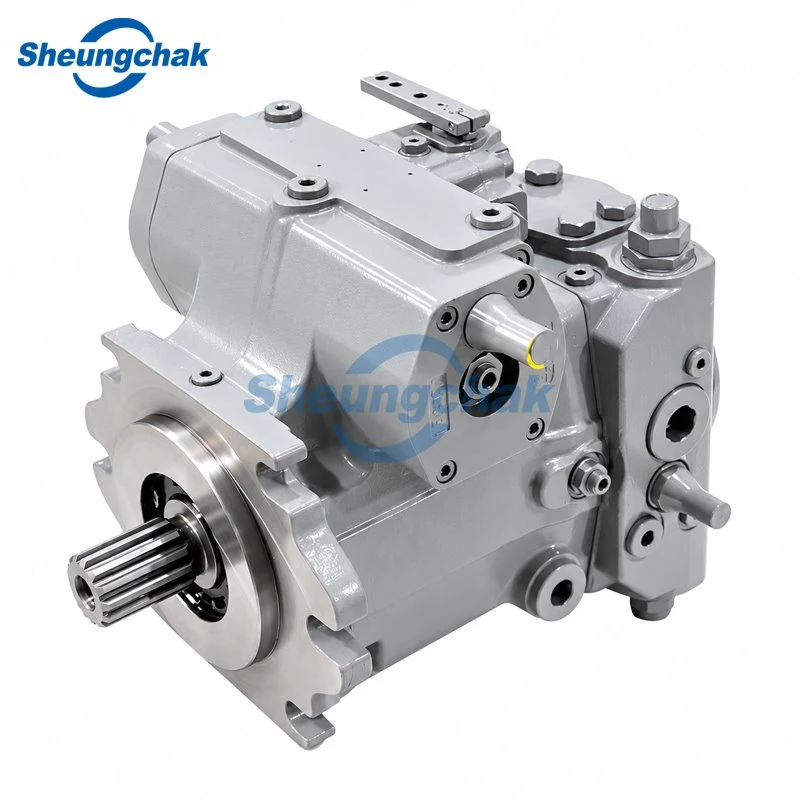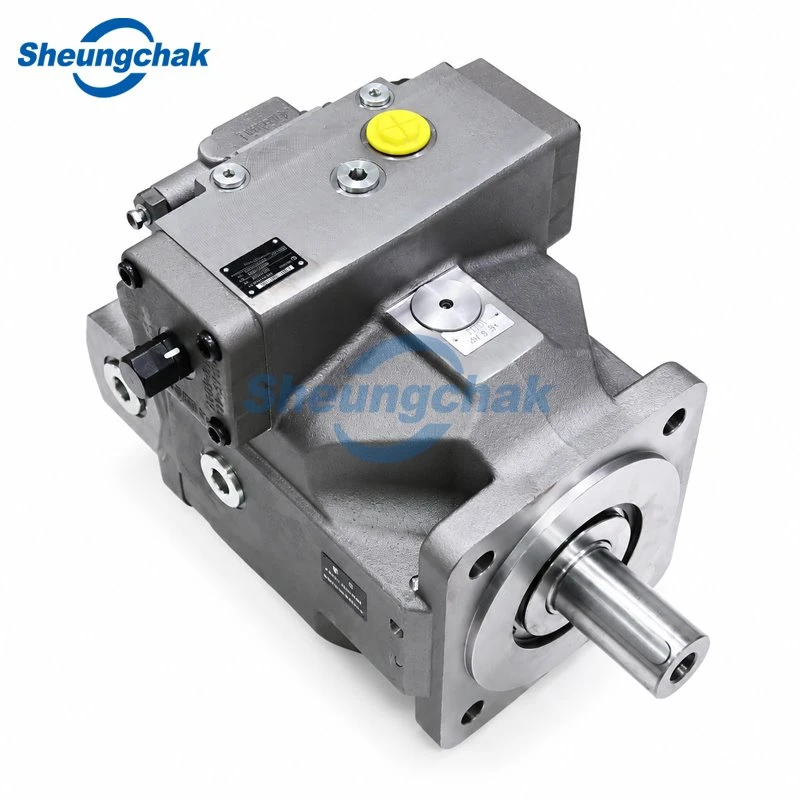

Choose a hydraulic pump manufacturing arrangement by identifying what is already approved, what still needs engineering and who will accept the result. An OEM manufacturing scope can suit a defined design or established platform. An ODM development scope can suit a project that needs supplier design input. Neither label settles testing, ownership, cost or delivery terms.
The useful comparison starts with your project requirements. A ready platform with limited changes and a pump that needs development from application requirements involve different work, even when suppliers use the same commercial label.
Define the Project Before Choosing OEM or ODM
Manufacturing Models, Private Label and Original-Brand Parts
For this guide, an OEM manufacturing scope starts from an agreed design, specification or product platform. An ODM development scope includes supplier engineering to define or adapt the product before production approval. Confirm these working definitions with each supplier rather than assuming the labels describe identical services.
Private label describes branding. Changing a nameplate or package does not establish that a pump has been redesigned, validated for a different application or developed exclusively for the buyer. If branding accompanies technical changes, separate the two work packages.
Also distinguish a manufacturing arrangement from purchasing genuine parts from the original pump manufacturer. An offer described as OEM manufacturing does not, by itself, establish authorization from another pump brand. Ask separately about product origin, branding rights and any claimed authorization.
Match the Manufacturing Scope to Your Design Readiness
Start with the information you can actually provide. The following table is a buyer discussion tool, not a fixed industry classification or a statement of any manufacturer's internal process.
| Your starting point | Scope to discuss | Main unresolved question |
|---|---|---|
| An approved design and acceptance specification | Manufacturing review, agreed production methods and supply | Can the supplier meet the specification, and how will deviations be approved? |
| A supplier platform with requested changes | Configuration selection, change assessment and proportionate validation | Which existing evidence still applies to the changed configuration? |
| Application requirements without a final pump definition | Feasibility, design responsibility, prototypes and validation planning | Who converts the application requirements into an approved product specification? |
An Approved Design
Provide the current drawing set, configuration identity and acceptance requirements. Ask the supplier to identify missing information, manufacturing constraints and proposed substitutions before quoting the agreed production scope.
An approved design does not remove supplier qualification or first-production review. Likewise, a physical reference sample should not silently replace a specification: record which dimensions, materials, settings and performance requirements it represents, and how disagreements between the sample and documents will be resolved.
A Supplier Platform with Defined Changes
List every requested departure from the platform baseline. Separate branding and packaging from changes to interfaces, materials, seals or control configuration. Ask the supplier to explain which changes need further engineering and what evidence supports the proposed configuration.
Existing platform evidence is useful only to the extent that it covers the product and application being purchased. Do not assume a familiar model designation makes every shaft, port or control combination interchangeable.
Application Requirements That Still Need Engineering
Prepare the machine requirements before asking for a final pump recommendation. Include the circuit, pressure and flow demands over time, available drive conditions, installation envelope, fluid and operating environment. Identify which requirements are measured, estimated or still unknown.
For an industrial machine project, the guide to defining an industrial pump duty profile explains how to connect machine tasks with operating points. Use that work to define the engineering question; it does not establish that one pump family fits every application.
If important inputs remain unknown, request a feasibility stage with named outputs and a review point. A production quotation based on unrecorded assumptions will be difficult to compare with one that includes resolving those assumptions.
Agree on Design, Validation and Release Responsibilities
Who Defines and Approves the Specification?
Identify a responsible party, approving party and required record for each decision. Saying that the buyer and supplier are "jointly responsible" leaves an operational gap unless the agreement explains who performs the work and who can approve the result.
Use this matrix during the project review. The parties and names remain to be agreed; these are proposed discussion fields, not a preassigned allocation of legal responsibility.
| Decision | Record to request or prepare | Responsible party / approving authority |
|---|---|---|
| Application requirements | Requirement list, assumptions and open issues | To be agreed |
| Product definition | Approved drawings, configuration and specification revision | To be agreed |
| Prototype validation | Test plan, acceptance criteria, specimen identity and results | To be agreed |
| Machine integration | Installation and application assessment, with unresolved issues | To be agreed |
| Production acceptance and dispatch | Inspection scope, applicable records and release authorization | To be agreed |
| Later changes | Change request, impact review and approval record | To be agreed |

What Does Each Approval Actually Cover?
Design approval, prototype acceptance and dispatch release answer different questions. Define the configuration, evidence and limitations attached to each approval. A successful prototype result does not show that a later delivered unit received the agreed production checks.
For delivery evidence, use the guide to pre-shipment pump acceptance records. Keep its unit-level questions separate from deciding whether the design is suitable for the machine.
System integration also needs an explicit owner. ISO 4413:2010 sets out safety requirements and general rules for machinery hydraulic systems and their components, addressing significant hazards in intended use. Its public scope supports reviewing the system as well as the component; it does not certify a particular supplier or machine. (ISO)
Compare Quotes for the Same Project Scope
Development, Tooling and Validation Costs
There is no sound basis for declaring OEM or ODM universally cheaper. Compare the work remaining in your project. An established supplier platform may reduce some development tasks, while changes or new application requirements can introduce additional engineering and validation.
Give suppliers the same scope and ask them to separate included work, exclusions, deliverables and the basis for additional charges. Use the blank fields below to collect quotations; no cost or lead-time advantage is assumed.
| Cost item | Supplier A: included scope / price | Supplier B: included scope / price | Evidence or condition to compare |
|---|---|---|---|
| Engineering and development | - | - | Defined outputs, review stages and revision allowance |
| Tooling and fixtures | - | - | Purpose, ownership, maintenance and access |
| Prototype supply | - | - | Quantity, configuration and permitted revisions |
| Validation | - | - | Procedures, specimens, reports and repeat-test terms |
| Production supply | - | - | Same specification, quantity and acceptance scope |
| Documentation | - | - | Drawings, records and agreed file formats |
| Changes and repeat orders | - | - | Approval process, requalification and commercial terms |
| Packaging and logistics | - | - | Same delivery basis and protection requirements |
Non-recurring engineering, or NRE, should have a defined deliverable. Paying a development charge without agreeing what it produces makes completion and later changes harder to assess.
Testing deserves its own line. A supplier may have equipment capable of a test without including that test in your order. When reviewing a supplier's pump test capability, establish capability, contracted scope and delivery evidence separately.
Unit Supply, Changes and Repeat Orders
Compare unit prices only after aligning configuration, quantities, acceptance, documentation and delivery terms. Record the conditions behind sample and production schedules, including input approval, tooling readiness and validation completion.
Ask what happens when a prototype misses an agreed requirement or the buyer changes the requirement. Establish how corrective work, redesign and repeat testing will be evaluated and priced. These are different events and should not disappear inside an undefined "development fee."
For repeat orders, confirm how the approved revision will be identified and what notice or approval is required before a substitution. Request project-specific MOQ, warranty and delivery terms rather than applying a catalog product's conditions to a development program.
Protect Design Access and Supply Continuity
Background IP, New Designs and Improvements
Separate background IP, the intellectual property each party brings into the project, from foreground IP, the new results and related intellectual property created through the collaboration. WIPO's supplier-agreement guidance recommends defining background IP, new results, access, confidentiality and termination arrangements in writing. (WIPO)
For the pump project, identify the supplier platform, buyer drawings and project-specific modifications. Ask which party may manufacture, modify or license each item. Record whether any exclusivity is included and what it covers.
An OEM or ODM label, development payment or confidentiality agreement should not be treated as a substitute for those express terms. Have the proposed arrangement reviewed for the transaction's applicable law.
Tooling, Documentation and Exit Arrangements
Discuss tooling access separately from design rights. Agree what documents and files are delivered, what may be used for continued supply and what happens when the relationship ends. Include software or third-party rights where relevant.
If transfer to another manufacturer is a business requirement, raise it before development begins. Confirm the permissions, available technical package and remaining qualification work instead of assuming that possession of a sample enables production transfer.
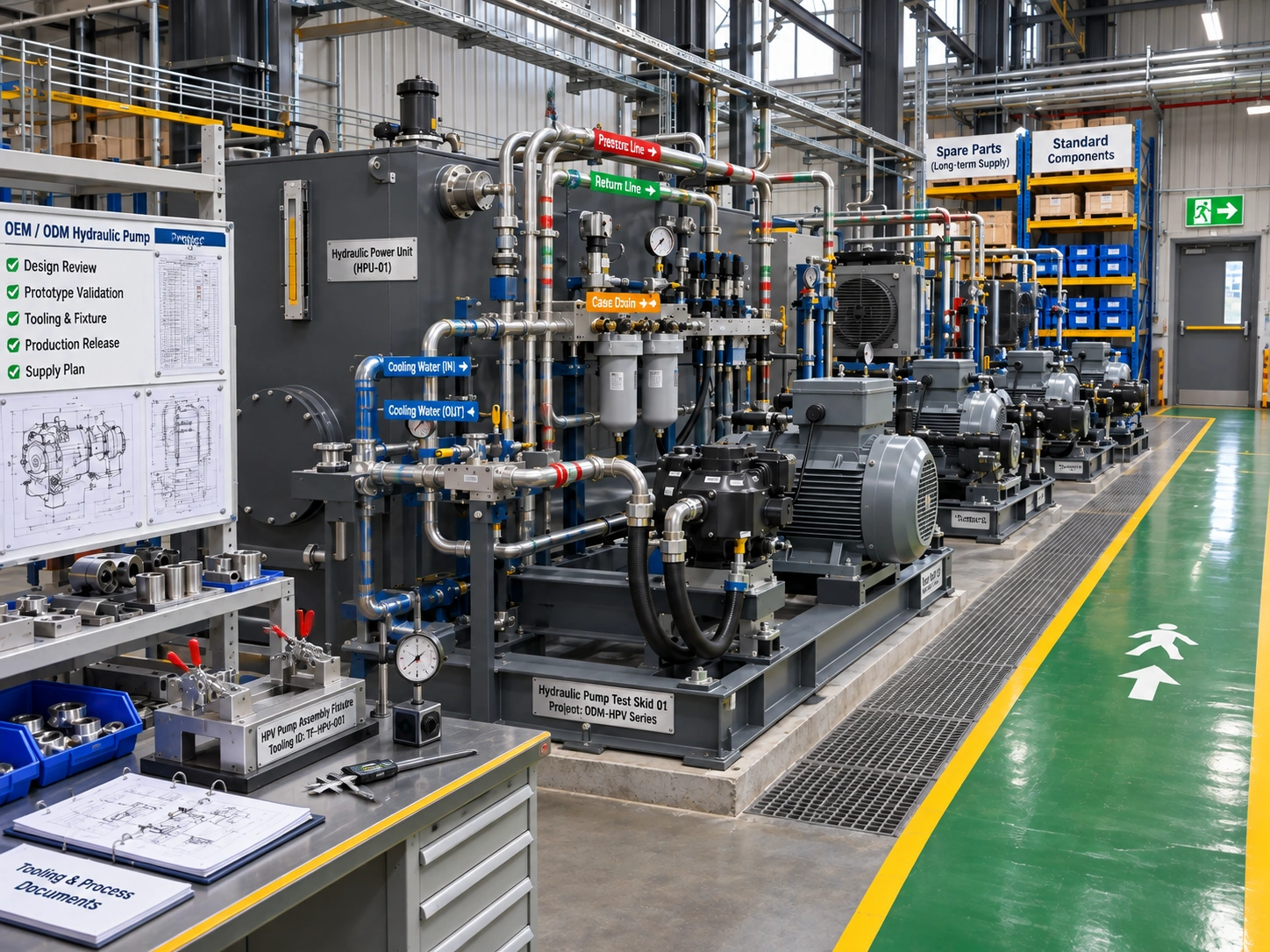
Check What a Prototype Proves Before Production
Bench Performance and Machine Integration
A prototype report supports conclusions within its recorded test scope. ISO 4409:2019 addresses steady-state testing of hydraulic positive-displacement pumps, motors and integral transmissions with continuously rotating shafts, including efficiency measurement, test arrangements and reporting. Its public description does not establish that transient response, durability or machine integration has been tested. Agree those additional activities separately when the application requires them. (ISO)
A supplier-published Danfoss case dated February 22, 2024 illustrates why the application matters. In an MPG truck-mounted electric crane project, initial testing encountered electric-motor stalling with the existing pump arrangement. Danfoss describes prototype and system testing associated with a torque-limiting pump solution. This is a commercial supplier account of one project, not an OEM-versus-ODM comparison or evidence of another manufacturer's capabilities. (Danfoss)
For your project, ask what the tested specimen represents, which operating conditions were assessed and which application questions remain open. Resolve those gaps before using prototype acceptance as the basis for production approval.
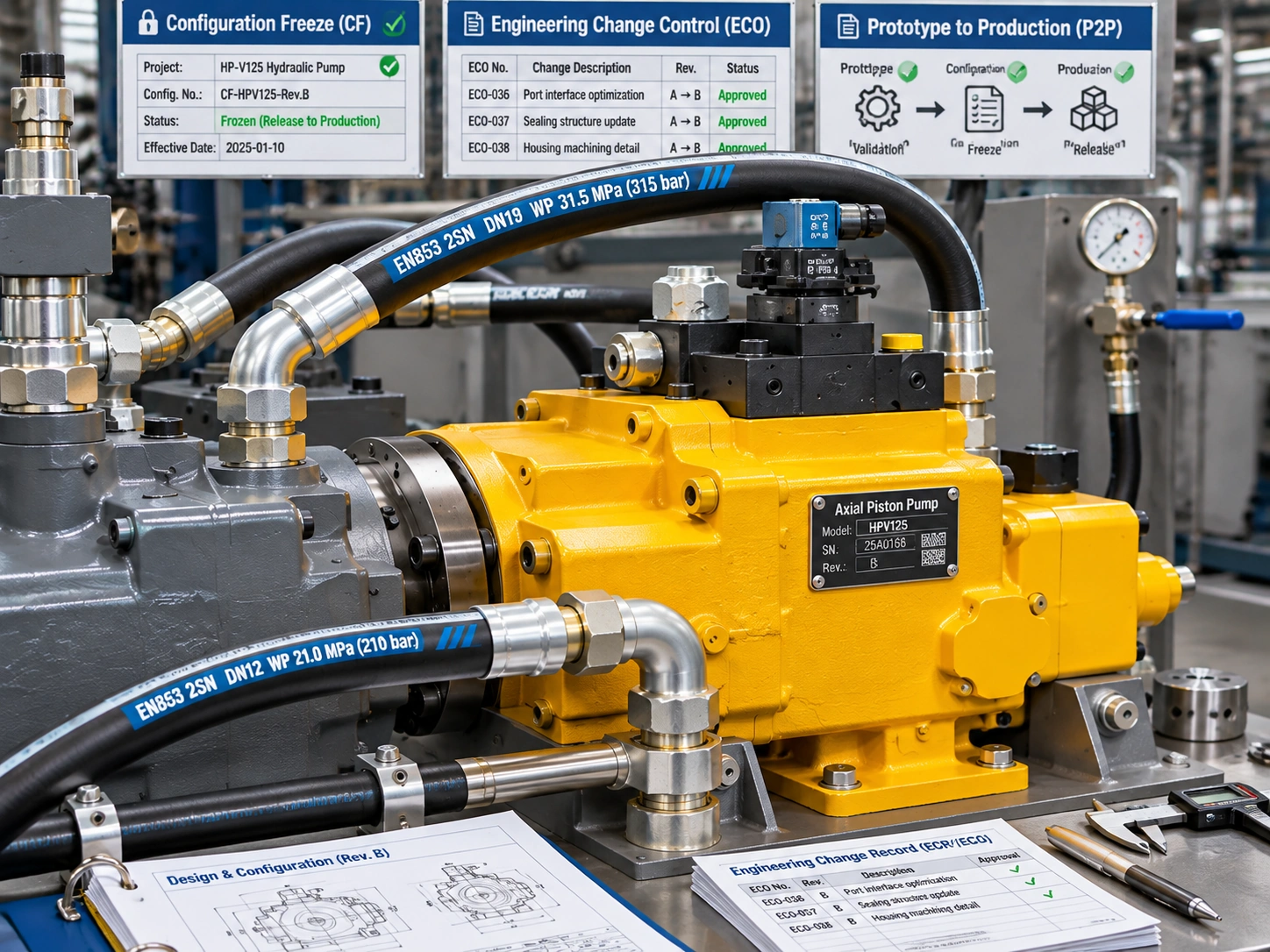
Freeze the Configuration and Control Later Changes
Design freeze should identify the approved baseline and the process for changing it. It should not prevent necessary corrections or allow undocumented substitutions.
Before production release, confirm that:
- The drawings, configuration, control settings and applicable software revision are identified.
- Required prototype and machine assessments are complete, with deviations formally resolved or accepted.
- Production checks and the records required for release are agreed.
- The approval authority and treatment of open issues are documented.
- Later material, component, process or configuration changes trigger an impact review and any required revalidation.
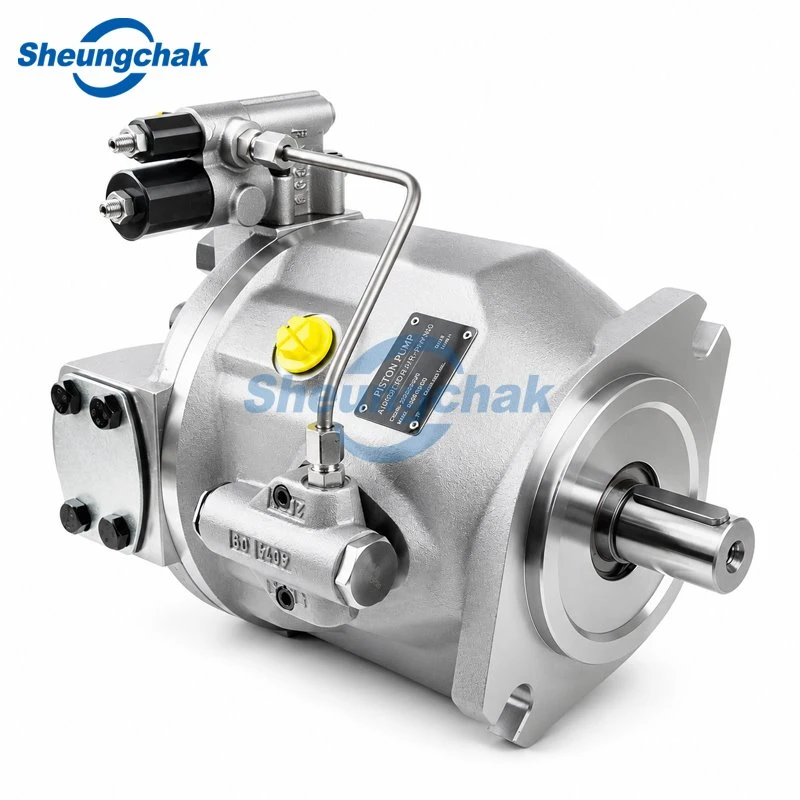
For a project using an existing industrial pump platform, A10VSO pump configuration options provide a starting point for identifying the version to discuss. Confirm the exact order specification and supporting documentation; the model name alone is not a configuration approval.
Prepare a Hydraulic Pump Project Brief for Supplier Review
A useful request for quotation, or RFQ, separates confirmed requirements from questions the supplier must help resolve. Prepare the following information, marking unknown items explicitly.
| Brief field | What to provide |
|---|---|
| Application and circuit | Machine task, circuit diagram and integration constraints |
| Design status | Approved drawings, reference sample, platform proposal or application-only requirements |
| Duty and drive | Pressure, flow, speed and duration together; available drive information |
| Mechanical interfaces | Mounting, shaft, ports, rotation and installation envelope |
| Controls | Required functions, settings and electrical interfaces where applicable |
| Fluid and environment | Fluid specification, temperature conditions and relevant operating exposure |
| Quantities and milestones | Prototype and production needs, target dates and dependencies |
| Verification | Required tests, acceptance criteria, records and approval roles |
| Rights and unresolved items | Design access, tooling, documentation, change rules and open questions |
If the product definition is complete, ask for manufacturing feasibility and supply terms. If selected platform changes remain, ask for their engineering and validation scope. If the product is still undefined, ask for a development proposal with reviewable outputs before committing to production.
Use Sheungchak's OEM/ODM hydraulic project requirements page to submit the brief and request confirmation of the proposed scope, deliverables, validation responsibilities and quotation exclusions. That written response gives your team a concrete basis for choosing the manufacturing arrangement.